

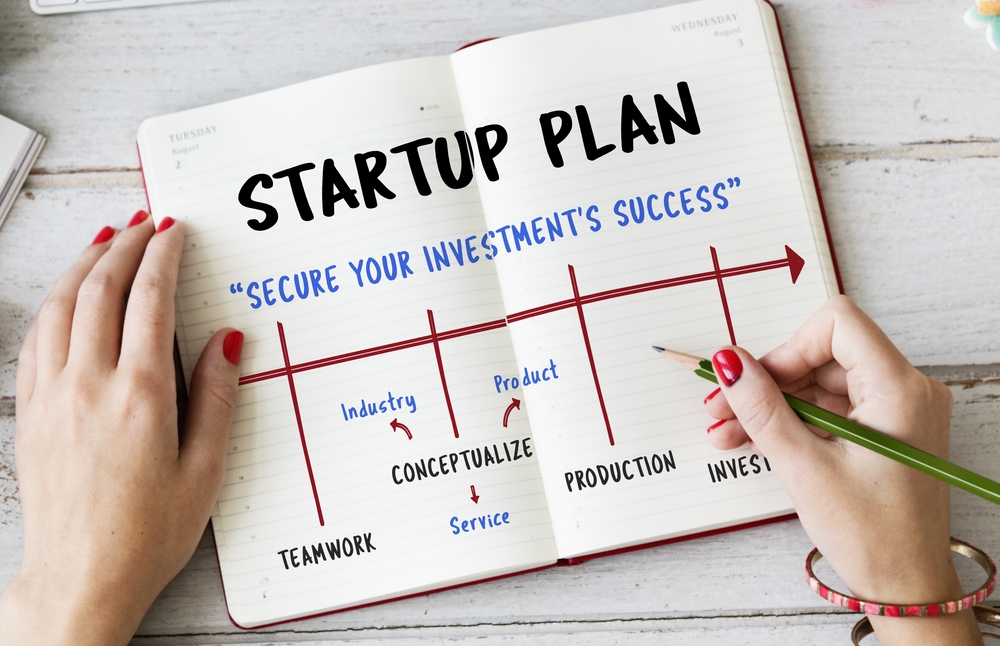
Entrepreneurship is not just about starting a business. It’s about creating solutions to issues, risk-taking, and creating something worthwhile from an idea. This paper will help those people who have such a dream but do not know how to proceed with it or where to start. This entrepreneurship guide defines the concept of entrepreneurship and provides a conceptual and practical framework for the path to a startup and how to become an entrepreneur.
If you are considering how to become an entrepreneur, the process can become a set of steps that can be taken.
The initial thing to figure out how to be an entrepreneur is to have a robust mindset. They see challenges exactly as chances to get and keep their confidence, even when confronted with difficulties.
Consider your hobbies, abilities, and the problems you face every day. A lot of great businesses start up by simply addressing a couple of simple issues. Research your market. Knowing your targets extremely well is a very important factor. To research your market is to understand their needs, desires, and the things that bother them.
Before launching your business idea, make sure to do preliminary market testing by getting opinions, running a sample version of your business, and/or receiving feedback from potential customers.
A good scope of where you're headed in your business venture. your goals, what you need to accomplish those goals, and the means by which you'll accomplish those goals.
Your funding options come in various forms: personal savings, investors, banks, and other lenders, and you may request donations or assistance from others.
When you’ve built and/or tested everything, your business is ready to launch. It is important to concentrate on satisfying your customers' needs.
These steps will help you understand how to start a business.
At its simplest, what entrepreneurship is can be explained. It involves taking financial risks in the course of creating, managing, and growing a business with the aim of making profits.
An entrepreneur is a person who sees a problem and creates a solution that people are willing to pay for. But entrepreneurship is not only about money. Entrepreneurship also includes creativity, innovation, and an unrelenting push towards a goal.
There are certain characteristics that successful entrepreneurs exhibit and need to harness to successfully start and manage their businesses. They are problem-solvers. They are risk takers. They adjust to change. They focus even when there are setbacks.
Knowledge of the types of entrepreneurship will enable one to choose the most appropriate path in entrepreneurship for his or her life and personality.
Types of entrepreneurship allow you to align your idea with your long-term vision.
While it might seem that startups are a blessing for entrepreneurs, the path to building a successful startup is not straightforward. Each stage requires addressing individual problems.
You need more than a business idea to succeed. Here are some important skills that every business owner should have:
This guide to starting a business emphasizes the importance of building skills as you build your business.
Starting a business can be exciting. It can also be tough. Some common problems that business owners face include:
Understanding these challenges will help you prepare for them.
If you really want to start a business, here are some things you can do to get started:
This guide to starting a business is about taking real steps, not just talking about it.
Starting a business is just the beginning. You need to put in effort and plan ahead if you want it to last. You should focus on:
Business owners who succeed are the ones who keep working towards their goals.
Starting a business is not a job; it is a way of thinking and a journey. Understanding what it means to start a business will give you an idea of what you are doing, and knowing how to start a business will give you direction.
The journey to starting a business can be uncertain. Every successful business owner started with the same first step. By learning about types of businesses and following a practical guide, you can turn your business idea into a reality.
No, many companies have launched with a small budget. You can start running your business on a small scale, testing your trip, and after that, expanding your company. Self-funding, working as a freelancer, or running businesses on the internet are indeed widely used methods to get a business running without having large capital up front.
Some folks reach what they’re chasing in weeks; others spend decades. However you slice it, timing depends on the plan, how much work shows up, and whether things outside shift favorably. Sticking around for good takes repetition, paying attention when stuff changes, then adjusting - speed matters less than showing up again.
Indeed, everyone can venture into entrepreneurship given the right focus and determination. Learning skills such as problem-solving, communicating, and sticking to your plans over time can very well make entrepreneurship feasible for individuals from different walks of life and experiences.
Starting a one-person show is subject to risks linked to the finances and professional life, but at the same time, it gives you more freedom and is able to yield much greater results. If properly planned, researched, and executed in small steps, the risks will be at a manageable level, giving you the possibility of success.
This content was created by AI